This page is intended for illustrative purposes only. The views expressed here are those of their author(s). They do not reflect the opinions or official positions of CSU Channel Islands or the California State University system. All intellectual property (c) Sean Q Kelly.
Prohibition is the Problem
The current push for cannabis legalization focuses primarily on the plant’s demonstrated and potential medicinal benefits. Building a political coalition around medical use first, followed by recreational, makes good political sense. The rhetorical focus rests on familiar American values of privacy, individual agency, and personal wellness— “the pursuit of happiness.”
These values stretch across political divisions. Support for medical cannabis is fairly consistent across partisan, ideological, and religious divides. According to a study by the Pew Research Center, 88% of Americans believe that cannabis should be available for medical use; 59% favor legalization for medical and recreational use. On average, 94% of Democrats support some form of legalization (21% medical and 73% med/rec), and 83% of Republicans support legalization (39% medical and 45% med/rec). Among white evangelical Christians, 87% support some form of legalization, with 44% support legalizing for recreational use. Finally, among those who decide close elections, Independents, 70% support some form of legalization.
Public and political support is more pronounced when one considers that organized public opposition to medical and recreational legalization is nearly absent. As arguments against legalization fall to empirical evidence, it is harder to argue against it. To cite a few common claims:
- If cannabis is legal, children and teen use will increase. Brooks-Russell and colleagues found no increase in teen usage before and after legalization in Colorado. Midgette and Reuter conclude that cannabis use by students in grades 8 and 10 in Washington State declined by 22% and 12.7%, respectively.
- Cannabis is a “gateway” to hard drugs.Kandel and Kandel suggest that tobacco (specifically nicotine), not cannabis, is a more critical gateway drug. Kandel and Yamaguchi suggest alcohol or tobacco are more likely gateways to the use of illicit drugs.
- Legalizing cannabis will increase crime rates. A study from the conservative Cato Institute concluded that “violent crime has neither sored nor plummeted in the wake of marijuana legalization.”
Prohibition is the Problem
In January 1920, alcohol prohibition became the law of the land in the United States. In doing so, Congress and the states created a vast unregulated market for illicit alcohol with profound consequences. Domestic bootleggers sought to fill the void of shuttered distilleries and liquor stores. Bootleggers, foreign and domestic, and organized crime filled the vacuum with alcohol of dubious to deadly quality. Often the products contained lethal doses of methyl alcohol. Methanol has legitimate industrial uses but, when metabolized by humans, produces formaldehyde and formic acid, which are toxic and often fatal. An estimated 1,000 Americans per year—between 1920 and 1933—died from tainted alcohol. Countless others were crippled by products containing ethyl alcohol cut with less than fatal doses of methanol, causing permanent damage to consumers’ sight, nervous system, and internal organs like the liver and pancreas.
Cannabis prohibition generates similar problems. To supply the illegal market, crime organizations imported cannabis grown in other countries illegally or set up illegal grow sites in the US. Undeterred by regulations, these illegal operations used illegal and legal chemicals, often in excessive amounts, to prevent pests, molds, and other environmental threats to the plants. These chemicals escaped into nearby waterways and ecosystems, causing nearly irreparable ecological damage. Furthermore, when humans consumed the cannabis they bought on the unregulated market, those illegal chemicals were unknowingly ingested by consumers. An unregulated market puts millions at risk of unknowingly poisoning themselves, just like alcohol during the Prohibition Era. Unlike methanol, which often has immediate effects, the health effects of illegally grown cannabis are inestimable.
During alcohol prohibition, the estimated cost of federal enforcement was $300 million per year, or about $5 billion in 2023 dollars. Furthermore, the Federal Government lost $11 billion in tax revenue (over $187 billion today). A decade ago, Harvard economist Jeffrey Miron estimated that legalizing cannabis nationally would save $7.7 billion per year in the costs of enforcing cannabis prohibition and generate $6 billion in revenue if taxed at the current rates for alcohol and tobacco.
Creating a regulated market for cannabis in the United States will benefit public health by ensuring that consumers are ingesting the amount they expect, free from pesticides, pests, and other pathogens. Ending prohibition allows researchers to thoroughly explore the medicinal benefits of cannabis and any unidentified risks to health and safety. Finally, ending prohibition and creating a regulated market will undermine the illegal cannabis industry.
There is no doubt that the effects of legalization will remain uneven for decades. Established drug cartels present challenges to states like California due to their proximity to Mexico. However, continued public education can inform consumers about the risks of consuming cannabis from unregulated sources. States imposing irrationally high taxes on cannabis will struggle to eradicate the illegal market as long the cost of regulated cannabis exceeds that of illegal products.
States taking a balanced approach to taxing and regulating the industry will discover surprising benefits. In 1979, Jimmy Carter and a Democratic Congress legalized homebrewing. In 2023 the US has an estimated 1,900 microbreweries, 3,300 brewpubs, and 3,700 taproom breweries. There are now 1,000 wine-tasting rooms in California alone, generating $8.5 billion in wine tourism annually in the state. Forbes magazine estimates that cannabis tourism already generates $17 billion in states with recreational use laws.
The Benefits of Cannabis Over Time and Space
Humans were likely aware of the benefits of cannabis before they began recording history. The recorded history of cannabis stretches back 6,000 years. About 2800 years before the common era (BCE), Emporer Shen Nung’s oral teachings on cannabis became the foundation for the Ben Coo Jing (Classic of Herbal Medicine), codifying Nung’s teachings. As human experience with cannabis expanded over time and space, the discovery of potential uses continues to blossom.
This table illustrates the recorded benefits of cannabis’s health benefits across time (2800 BCE-present) and geographic space. While these data are likely incomplete, it is worth noting that the number of documented benefits increases over time. This could be an artifact of missing evidence—the ancient historical record is notoriously fragmented—or the increasing specificity of human ailments identified as medical science advances (e.g., “diarrhea” can have many causes, like IBS and Chron’s Disease). That said, the general agreement across ailments—intestinal disorders, pain relief, seizure disorders, sexual benefits, and so forth—remains constant over time and space.
Furthermore, the ethnic diversity of groups using cannabis globally—with similar indications and side effects—suggests that cannabis is robust. While modern medicine is now realizing that drug treatments (and medical devices) may vary by ethnic background, cannabis demonstrates similar benefits and risks across groups. I do not mean to overgeneralize. It may be the case that different ethnicities react differently to the medicinal elements of cannabis. However, that it is safe to use across ethnicities is evident.
Table 1: Indications of the capacity of cannabis to influence human well-being over six time periods, 2800 BCE to Present
| China Ca. 2800 BCE | Middle East (Egypt and Assyria) Ca. 1700 BCE | India Ca. 1500 BCE | Western Europe Ca. 1840-1900 | United States (pre-prohibition) Ca. 1840-1937 | Potential Indications: Global Ca. 1937-present | |
| Ailment Type | ||||||
| Intestinal Disorders | Diarrhea | Nausea | Appetite stimulation (e.g., anorexia, cancer treatment) | |||
| Appetite stimulation | Diarrhea | Nausea | ||||
| Irritable Bowel Disease (IBS) | ||||||
| Chron’s Disease | ||||||
| Obstetric Disorders | Pain from childbirth | Pre-menstrual disorder (PMS) | Menorrhagia | Pre-menstrual disorder (PMS) | ||
| Pain Relief | Mixed with wine | Pain relief in dogs | Headache | Chronic pain | ||
| Severe pain | Kidney Stones | Chronic pain | Rheumatoid Arthritis | |||
| Fibromyalgia | ||||||
| Inflammation | Rheumatism | Neuralgia | Rheumatism | Arthritis | ||
| Arthritis | Muscle Spasm | |||||
| Neurological | Amyotrophic lateral sclerosis (ALS) | |||||
| Trigeminal neuralgia | ||||||
| Pulmonological | Symptoms of bronchial inflammation | Bronchitis | ||||
| Asthma | ||||||
| Antiseptic | Roots have antiseptic properties | |||||
| Opthomological | Glaucoma | Vision dimness | Glaucoma | |||
| Mental Health | Depression | Mental/nervous dysfunction | Anxiety reduction | |||
| Post-Traumatic Stress Disorder (PTSD) | ||||||
| Depression | ||||||
| Seizure Disorders | “Hand of the Ghost” | Convulsions In tetanus patients | Epilepsy | MS Spasticity | ||
| Infantile convulsions | ||||||
| Sexual Disorders | Impotence | Aphrodisiac | Increase in sexual desire and orgasm intensity | |||
| Addiction treatment | Delirium tremens (more effective than opium) | Treatment for opioid addiction | ||||
| Sleep disorders | Sleep disorder | Insomnia | Insomnia | |||
| Other | Overall well-being | Gonorreah | Physical homeostasis | |||
| Happiness |
Sources: GFI (2023) and other peer-reviewed scientific sources.
The Risks of Cannabis Use
Historical accounts raise awareness of the potential for the misuse and abuse of cannabis. Overconsumption can cause symptoms including dizziness, sweating, dysphoria, anxiety, hallucinations, and other adverse effects. However, after 6,000 years of human consumption, there is not one documented case of death from cannabis overdose. Early cannabis researcher William O’Shaughnessy administered 130 mg to dogs to test its toxicity. Assuming that 5 mg is an initial dose for a 150lb human, that was 26-times the dose indicated for a human and roughly 75-times the amount for a 50 lb dog. He reported mild side effects in the dogs—“utter helpless drunkenness,” as he described it.
Recent studies explore the relationship between psychotic disorders, including schizophrenia, and cannabis use (Rup et al., 2021; Ortiz-Medina et al., 2018). The study concluded that cannabis use is related to the early onset of psychotic disorders, including schizophrenia. Establishing a causal linkage is difficult. Factors associated with mental illness (e.g., genetic disposition, trauma, and stress) are related to drug use, including cannabis, early in life. Cannabis likely exposes a preexisting mental condition rather than being the “cause” of the psychosis.
In short, cannabis has been tested for safety by billions of “subjects” across the globe over at least six millennia. By any standard, this is the most extensive risk evaluation and mitigation strategy study (REM) in the history of the world. The risks of cannabis use are low. The potential benefits remain only partially investigated. Given the absence of any documented risk associated with cannabis, we need to unlock the plant’s potential benefits for health and wellness, delivering the benefits our human family has identified and discovering cannabis’s next frontier.
Green Flower Institute. 2023. Cannabis 101: History and Intro to Modern Medicine. Green Flower Institute.
Ortiz-Medina MB, Perea M, Torales J, et al. (2018) “Cannabis consumption and psychosis or schizophrenia development.”. Int J Soc Psychiatry 64(7):690-704.
Rup J, Freeman TP, Perlman C, Hammond D. (2021). “Cannabis and mental health: Prevalence of use and modes of cannabis administration by mental health status.” Addict Behav. 121:106991.
Hemp v. Cannabis
Both hemp and “cannabis” are members of the Cannabaceae family of plants. Thus, they can both be correctly called “cannabis.” The major distinctions between hemp and cannabis are their appearance, potential for psychoactive effects, and end usage.
Hemp
Hemp plants grow taller and contain more fiber than cannabis plants. The higher the fiber content, the more useful it is for industrial purposes. Hemp fibers can be used to make rope, textiles, upholstery, biofuels, cosmetics, paper, and building materials, and have dozens of other uses. Hemp plants have low levels of Tetrahydrocannabinol (THC)—less than 0.3%–the psychoactive component of cannabis. However, hemp does produce Cannabidiol (CBD), a non-psychoactive compound with the potential to treat anxiety, chronic pain, inflammation, insomnia, and other diseases. CBD is extracted from hemp using the flowers, leaves, and stalks of the plant.
Hemp was widely cultivated in the US and Europe for its industrial properties. However, hemp production in the US declined after 1937, caught up in the rush to prohibit the growing and use of cannabis. Hemp cultivation remained legal in most other countries, even where cannabis was prohibited. Hemp became legal for cultivation in the US with the passage of the Farm Bill in 2018. With about 20,000 acres in production in 2022, the US is well behind China, which has over 160,000 acres in production.
While hemp is produced primarily for its industrial value (i.e., the production of goods), it is possible to synthesize Delta-8 THC from hemp, which is present in cannabis but at lower levels. Delta-8 THC is rumored to produce some of the positive effects of cannabis with fewer psychoactive effects. Because it is produced from hemp, it is technically legal; this is the so-called “hemp loophole.” However, it remains unclear whether it is safe. Where humans have used Delta-9 THC, the main ingredient in cannabis, for millennia, Delta-8 dominant formulations are relatively new. Absent mandatory testing for most Delta-8 products, whether and how much Delta-8 is in a product is left for the consumer to discover.
Cannabis
Unlike hemp, cannabis plants grown chiefly for their THC-laden flowers are small. Hemp plants might mature between 10 to 15 feet high; indica types of cannabis mature at about 2 feet tall, and sativa types at 3 to 6 feet. Hemp is grown to maximize fiber. Cannabis is grown to maximize the production of its flowers and minimize the growth of woody stalks and leaves. Cultivators prefer that plants invest their energy into producing valuable flowers over less valuable vegetal material.
Cannabis genetics is the chief focus of most cannabis growers. Particular strains are selected for reproduction because of their ability to produce many flowers with high concentrations of THC and other beneficial molecules that affect taste, smell, and the overall “high” that the THC delivers.
Many supporters of cannabis legalization focus on the medicinal benefits of its flowers, including the potential to treat chronic pain, anxiety, depression, post-traumatic stress, Irritable Bowel Disorder, and many other ailments. Humans also seek it out for the general sense of well-being that it produces. With the discovery of the human endocannabinoid system in the early-1990s, researchers are beginning to understand how the positive effects of cannabis occur in humans.
Delta-9 is the dominant form of THC in cannabis. Used for medicinal, religious, and other purposes for over six millennia, the risks associated with cannabis are well-known. Hemp-derived cannabis is not risk-tested. Yes, there is Delta-8 THC in cannabis, but not in the same balance or concentration. Products claiming to contain Delta-8 are often not tested for the presence or potency advertised on the label. Lack of appropriate regulation risks consumers having a “bad experience” (or no experience), which could undermine the public’s growing acceptance of cannabis. One can indeed have a “bad experience” with legal cannabis. But regulating the industry ensures that the consumer is buying a product with a known level of THC free from pests, molds, and bacteria.
The keys to the success of cannabis include reasonable regulation and testing to ensure the quality and safety of cannabis products and educated users who understand and trust regulated products.
THCA and Alzheimer’s: Reasons for Optimism
THCA has anti-inflammatory and neuroprotective effects. Combined with its ability to penetrate the blood-brain barrier, there may be preventative and therapeutic uses for neurodegenerative disease. Researchers from South Korea studied whether CBDA and THCA could defend against or treat Alzheimer’s disease.[1] They tested this conjecture using mice. The results suggest that hippocampal Amyloid-β and p-tau levels were lower. The authors conclude that CBDA and THCA “may be useful therapeutic agents for treating” Alzheimer’s disease.
The Korean study adds evidence to existing research conducted in vitro and in vivo. A review of research studies on the relationship between THCA and Alzheimer’s between 2013 and 2021 indicates that THCA has neuroprotective qualities that may improve AD clinical outcomes (see the table below).[2] Both of the clinical trials in humans significantly improve patients’ performance on the Neuropsychiatric Inventory scale. Furthermore, both studies show declines in agitation, rigidity, and aggression. One study also provides evidence of less apathy, decreased caregiver distress, and improved sleep.
[1] Kim, Juyong, et al. 2023.The Cannabinoids, CBDA and THCA, Rescue Memory Deficits and Reduce Amyloid-Beta and Tau Pathology in an Alzheimer’s Disease-like Mouse Model. Int. J. Mol. Sci., 24(7), 6827
[2] Coles, et al. 2022. Therapeutic properties of multi-cannabinoid treatment strategies for Alzheimer’s disease” Front. Neurosci., 02 September 2022.
Extracts and Benefits
THCA converts into THC with the addition of heat. Smoking the flower from a pipe burns off most of the THC—it goes “up in smoke.” Supercritical CO2 extraction, the industry standard, can produce concentrates containing up to 99% THC. Extracting THC from cannabis this way is highly efficient—however, CO2 extraction strips terpenoids and other beneficial compounds. THC is not the only valuable element of the flower. Terpenoids and flavonoids not only add “flavor,” they also have useful effects on the body. Some improve the uptake of THC, and some have their own effects. Cannibamimetics are compounds with effects similar to those in cannabis. Rosemary, black pepper, and lavender are all cannabimimetic. Typically compounds stripped in the extraction process are added back near the end of the production process to restore the medicinal and flavor profile of the concentrate.
The “entourage effect” suggests that cannabinoids, terpenoids, and flavonoids work in concert to produce the full medical benefits of the plant. In other words, the benefits of cannabis are more than the sum of its parts. What is unclear to me is whether reintroducing compounds after the fact produces the same benefits as smoking whole flowers. For instance, fresh-squeezed orange juice is more beneficial than juice concentrate, lacking fiber and other nutrients, when recombined with water.
Is the same true of cannabis? Are the benefits of cannabis simply the sum of its parts? Are these compounds added in the same proportions as the original flower? What might be missing in this recombination process?
Indoor v. Outdoor Growing
| Indoor | Outdoor | |
| Photoperiod | Controlled by the grower | Determined by the orbit of the earth |
| Growing cycles | Multiple cycles per year | Seasonally dependent Adverse weather dependent |
| Yield | Smaller plantsSuper cropping may increase yield | Larger plantsLarger yield |
| Maturation | Controlled by the grower: CO2 levelsPhotoperiod | May take longerSome cultivars may not have time to mature |
| Terpenes | Fewer Less diverse range of terpenes | More terpenesMore diverse range of terpenes |
| Marketing | Indoor growing is perceived as “better”Buds tend to be greenerCost is higherBuds may be more fragrant | Buds may be weathered, less “attractive”Buds may be less fragrantLower costMay reflect the “terroir” of a region |
| Energy use | HighMore efficient where sunlight is plentifulSolar or wind energy can cut energy use | About half |
| Pest Control | More control but still possibleMoisture control and airflow are key | Vulnerable to bugs, deer, and other |
| Site Management | Can be centralized (e.g. hydration, lighting)Easier to secure the siteHigh ability to control odors | Subject to state regulations, making the grow difficult to near-impossibleOdor control makes things tricky in heavily populated areasPlants vulnerable to being stolen |
Environmental Sustainability and Outdoor Cannabis Farming
Cannabis, like all agricultural products, imposes on the ecology of the place where it is grown. Modern cultivation techniques often use chemical fertilizers and soil amendment to sustain the plant. A 2018 review of the impacts of cannabis cultivation highlights the potential effects of cannabis cultivation on local ecosystems. In particular, they point to using fertilizers that can have profound consequences. Chemical fertilizers can cause “nutrient imbalances,” resulting in algae blooms, causing fish kills and deformities in amphibians. Fertilizers can also contaminate groundwater (CDFW 2018).
Illegal growers have little incentive to hold back on using the maximum amount of chemical pest control and chemical fertilizers. They do not consider how their applications influence surrounding vegetation, waterways, and wildlife in the area. Illegal operations permanently scar ecosystems through a lack of concern for the surrounding ecosystem. Without a doubt, the impacts of outdoor cannabis cultivation cataloged by California Fish and Wildlife (2018) are present when Fish and Wildlife arrives on the scene.
We should not make public policy based on the behavior of “bad actors.” Outdoor cannabis cultivation maximizes terpene types and levels in the final product. The plants naturally take up CO2 (a cause of climate change) and produce higher yields than indoor plants. Outdoor growing is less energy-intensive, reducing the carbon footprint of cannabis production. The National Conference of State Legislatures suggests that 3% of the energy used in California goes toward producing cannabis. Now that cannabis cultivation exists within a regulatory framework, it is worth considering whether outdoor cultivation should be encouraged.
Biodynamic farming1 approaches cultivation from a holistic understanding of the local ecosystem, creating a sustainable farming model. Fertilization relies on non-chemical resources abundant in agricultural operations. Compost from farm-based food, vegetation, and animal waste replaces chemical fertilizers. Farms can be designed to minimize runoff into local waterways since biological and chemical fertilizers can have some of the same negative consequences for the surrounding ecosystem. Creating a balanced ecosystem also means creating an inviting atmosphere for the natural predators of pests (e.g., bats, owls).
The biodynamic approach has weaknesses. It is highly labor-intensive because it uses more traditional farming techniques. It also results in lower yields. However, the plant yield to energy use ratio is significantly higher than in conventional farming. And biodynamic farms—like organic farms—produce more earthworms and biomass than traditional farms (Turinek et al. 2009).
While California Fish and Wildlife has valid concerns about outdoor cannabis cultivation, many of those concerns originated from unethical, illegal growers maximizing yield over all other concerns. Those practices created profound ecological damage. However, in the context of a legal market and guided by a regulatory regime, we can sustain environmental integrity, improve the medicinal properties of the product by growing outdoors and shrink the industry’s carbon footprint. Finally, cannabis grown in a healthy environment that expresses the terroir, the uniqueness of “place,” results in a unique product that heals the body and the land.
1 Biodynamic farming, as considered here, strips away the pseudoscientific components often associated with the term(e.g., using astrological charts to drive farming decisions and herbal compost preparations akin to naturopathic healing). A better word might be integrated farming.
SOURCES:
California Department of Fish and Wildlife, Habitat Conservation Planning Branch. 2018. “A Review of the Potential Impacts of Cannabis Cultivation on Fish and Wildlife Resources.”
Turinek, M.; Grobelnik-Mlakar, S.; Bavec, M.; Bavec, F. 2009. “Biodynamic agriculture research progress and priorities.” Renewable Agriculture and Food Systems. 24 (2): 146–54.
Cannabis and Higher Education
Colleges and universities are good places to develop the intellectual skills necessary to operate in a complex environment. That is the purpose of the university—to teach students critical thinking and creative problem-solving skills relevant to most employers and industries. I often tell my students that every university “major” teaches the same basic intellectual skills; we use different subjects to teach those skills. While the content differs across Biology, Business, or Politics, the purpose of higher education remains the same: critical thinking and creative problem-solving.
Despite substantial growth in the cannabis industry, very few campuses have a program in cannabis studies. In California, where many industry-leading companies first developed, universities have shied away from teaching the subject. In the California State University system, students cannot receive education in the “plant-touching” sector of the industry. Cultivation, processing, extraction, and other valuable activities that will benefit students and industry alike are strictly prohibited. It is a wasted opportunity.
Cannabis Studies are naturally interdisciplinary.
- Cultivation and processing involve studying biology and botany;
- Extraction relies on basic principles of chemistry;
- Archaeology, anthropology, history, and even religious studies can focus on human-plant interactions;
- Political science focuses on policy formation in the public sector and public administration on the implementation of policies and compliance;
- Business schools could teach the basic skills of entrepreneurship and running a successful business.
I could continue the list, but you get the point. Universities could be training the cannabis professionals of the future by focusing students on the business and mainstreaming the industry. But, at the bottom of it all, universities are fundamentally conservative. The last place to be an “entrepreneur” is on a college campus. Do not piss off the donors, legislators, parents, and others who might be offended by this focus. Notice that this course operates through the “extended education” programs of the colleges and universities we registered with. That is how universities keep cannabis “at arm’s length” from external pressures.
Universities are missing the opportunity to educate students with the ability to comprehend the scope of the industry and how to find a place within it. By doing so, colleges and universities are complicit in sustaining the stigma surrounding cannabis. They avoid the subject for fear of “branding” their university as “Pothead U” or whatever derogatory phrase might arise from a field of study that is rational and defensible.
My purpose for pursuing this certificate is to prepare to teach a course in Spring 2024 focused on cannabis policy and regulation (I am a political scientist). Working at a Hispanic Serving Institution, I have a special responsibility to alert my students to this fascinating field of study and help improve industry diversity. Those goals begin with education and destigmatization, with some students considering or pursuing careers and futures they might never imagine.
In addition, I hope to begin integrating cannabis into my intellectual work. Coverage of cannabis rarely includes academic perspectives on public policy, largely because there are few academic experts. My goal is to make cannabis a relevant subject for systematic political science.
Employment Law and Cannabis
Over the last year, state legislatures began to address employment discrimination related to cannabis use. Most of us do not work in critical or dangerous jobs (e.g., firefighters, building trades, pilots) where cannabis use might have profound and tragic results. For the rest of us, cannabis consumption in legal states has no bearing on our work performance.
- In California, Senate Bill 700, proposed by Senator Steven Bradford (D), introduced legislation to amend Section 12954 of the Government Code related to employment discrimination. When passed, the law will make it “unlawful for an employer to request information from an applicant for employment relating to the applicant’s prior use of cannabis.” Senator Bradford states, “It is vital that anyone who chooses to exercise this right off the job not face discrimination in the workplace.”
- In Washington State, a law goes into effect in 2024 prohibiting discrimination based on an applicant’s legal use of cannabis while off the job or using test results indicating the presence of cannabis to punish employees. Once in effect, employers will not be able to test for cannabis. Employers can regulate the use of cannabis in the workplace. There are limitations for critical job categories, and federal contracting requirements best state law.
- In New York, section 201-D of the Labor Law likewise protects individuals from discrimination in hiring or firing based on the legal use of cannabis outside of the workplace. New York Labor law allows exemptions when the state law conflicts with federal funding or contracts. It also provides for sanctioning an employee when documented signs of impairment interfere with the employee’s performance or federal or state safety guidelines.
These state policies are a small step toward reducing cannabis stigma. Many of us use alcohol outside of the workplace. We are allowed to consume if it does not demonstrably influence our work. Cannabis users have, or soon will have, some protection against employment discrimination. Symbolically, these laws target the common perception that “good people do not use marijuana” (then-US Senator Jeff Sessions, April 2016) or that people who use cannabis are “lazy good-for-nothings” with nothing to offer society.
Evaluating the Harborside Website: Two Perspectives
My first impulse was to approach the site as a consumer. The vast majority of people who come to the site will be there to browse products for delivery or to make a shopping list of things to pick up at the dispensary.
Harborside was the first dispensary to sell legal cannabis in California and now has multiple locations in the Bay Area. It is one of a few US cannabis companies listed on the Canadian Stock Exchange. I had high expectations for my consumer experience for those and other reasons. It should be one of the premier sites in the industry. However, compared to sites I use regularly, it does not differ significantly, which is disappointing.
Then, I used the criteria provided in the course to analyze the site from a critical perspective. I conclude that the site needs considerable improvement.
Consumer Perspective
The homepage is clean and standard. All “top-level” links send users to products (e.g., deals, Flower, edibles, etc.). One can go directly to a product type or use filters to narrow the search.
My first stop was Flower. I clicked on one of my favorites, SFV OG. I was impressed that the page contained a description of the terpenes. I have not seen this on any other site. That raised a question: Why can’t I search according to the terpene profile? Assuming these data are in a table, it should be possible to search this way. As some consumers become more sophisticated, this will be a useful feature. Information on the chemical profile of products is not uniform throughout the site (terpene profiles are missing on many pages).
Product Comparison: How does SFV OG compare to Jelly Runtz? The capacity to compare products on THC, CBD, terpenes, etc., could be an excellent addition to the site.
Finally, is it sun-grown or an indoor Flower? No information. Can I search for what certifications the grower holds, e.g., Clean Green Certified? Part of the mission of Harborside is sustainability (see below). A client may want to ensure that their consumption comes from sustainable sources—that should be one of the filter categories.
Consumers like a story, especially sophisticated consumers. Think about a wine label. It tells you where it is from and often tells a story about its origins, the farm, the grower, or the flavors to expect from the wine. Here is one of the better descriptions I found (words in bold fit with the Harborside mission):
Premium craft cannabis grown in the California sunshine, available in 1/8th recyclable glass jars
Sonoma Hills Farm is a premium craft cannabis farm and organic culinary garden nestled on 60-acres in Sonoma Valley’s Petaluma Gap appellation, one of the nation’s premier wine terroirs. Sonoma Hills Farm’s cannabis flower is produced in harmony with nature using regenerative farming techniques and is harvested at its full-term peak potential.
In addition to Sun+Earth certification, the farm’s cannabis was one of first to be recognized as “organic comparable,” as designated by CCOF’s OCal program, which certifies consistency with the uniform standards of the National Organic Program.
Missing from this page is information about the composition of the Flower, except for the THC-9 content. The industry needs to move away from THC content as the consumer’s criteria for choosing a product (THC and price are the two drivers of choice right now). As a beer and wine drinker, I consider the alcohol level of the product, but I do not choose my drink based on that number. I consider the producer, the style, and other factors. Producers and dispensaries must generate other reasons for consumers to choose their products.
Analytical Perspective
Using the given criteria to evaluate the website, it has significant holes.
Authority: The link to explore this question is hidden at the bottom of the web pages. The “About” page is severely underdeveloped. The founders of Harborside are Steve D’Angelo and Wedding Dress. They are “industry veterans.” That is a claim that is not supported on the page: there is no biographical information on either of the founders.
There is more information about the management and the board with much more information. The management and the board seem to be lacking in diversity, given the “mission” of the company (see below).
Purpose and Audience: They designed the website with the consumer in mind. I did not find a specific mission statement. I believe that the “Our Story” section comes the closest. “The Harborside team…” It is a statement, but not what I consider to be a mission statement. Second, a mission statement should be amplified by a vision statement.
I tried to create a mission and vision from the information on the site (some verbiage is from the website). It is meant to be illustrative:
Mission Statement
Harborside is a client-centered dispensary offering a world-class selection of award-winning products. We help individuals heal body and mind and promote cannabis’ power to expand the human experience through laughter, creativity, reflection, and loving. We are committed to improving diversity, sustainability, and economic justice in our dispensaries and the cannabis industry.
Vision
Our diverse and inclusive dispensary and its employees will:
- Curate a world-class selection of cannabis products from California’s most respected growers and manufacturers.
- Create a welcoming atmosphere for newcomers by providing cannabis education through our Cannabis Consultants, our website, and our industry partnerships.
- Understand the products we sell and promote the responsible use of cannabis.
- Maintain transparency around our products by providing our clients with information about our sources and the contents of every item we sell.
From my evaluation, I conclude that the information provided is pro forma. It is not clear to me that the mission informs the client-facing content.
Coverage
Most of the product information is shallow. Information about the grower/manufacturer is hit-and-miss.
Unfortunately, the site does not offer much educational information. There is a “guide to cannabis” page (it is not “ultimate”). It is a missed opportunity to educate, advocate, and engage potential consumers. There should be a “learn about cannabis” section highlighted at the top of the page (the link above is from the bottom of the page). The page is haphazard. There is a photo of an edible product for “pre-rolls,” topicals, and concentrates and extracts. For vape pens and tinctures, there is a photo of a plant.
The FAQ answers are superficial. Take, for example, the answer to “What is the endocannabinoid system?” The answer is two shallow sentences: “Humans, like all vertebrates, have an endocannabinoid system (ECS). Discovered in 1979, the ECS is a biological system that directly connects our body and mind and is key to understanding how a state of mind can directly promote health or illness.” This is an opportunity—within legal limits related to health claims—to explain how science believes cannabis “works” to heal body and mind.
There is a blog, but the primary focus is selling products.
Relevance
An e-commerce site, information related to the products is likely up to date—this is a business.
Objectivity
In the “About” section, the text indicates that Harborside is a vertically integrated business. Ordinary folks may not know what that means. Which brands in the dispensary are Harborside brands? All of them? Some of them? Is Harborside favoring its products over competitors in the search?
For transparency, a consumer should be able to identify the specific brands that belong to Harborside and those that do not. If all brands belong to the company, say it somewhere. If not, there are ethical and possible legal liabilities. For instance, a competitor could claim that Haborside gives its products advantages in search or page placement.
Accuracy
There is no basis for judging the accuracy of the site. The consumer “trusts” that the information is accurate. In the interest of transparency, they could link products to their lab test results to support claims about THC levels, etc.
It is an accessible site like most other cannabis retailers’ sites.
Title VII and Workplace Discrimination
Background
Title VII of the Civil Rights Act of 1964 barred employment discrimination based on race, color, religion, sex, and national origin. It applies to public and private sector employers with 15 or more employees, including part-time employees.
Promulgated in 1965 by President Lyndon Johnson, Executive Order 11246 (and its amendments) directs the Secretary of Labor to ensure non-discrimination in employment by government contractors and subcontractors with 50 or more employees and a federal contract over $50,000. Contractors must develop a written affirmative action plan.
In 1972, the Equal Employment Opportunities Act amended Title VII, Creating the Equal Employment Opportunity Commission (EEOC) with the power to enforce employment discrimination statutes. It provides for court enforcement (rather than a jury) and penalties for violations, including mandatory remediation and monetary awards for victims.
Protections for pregnant individuals are governed by the Pregnancy Discrimination Act of 1978. Signed by President Jimmy Carter, the Act. Title VII of the Civil Rights Act was amended to include “pregnancy, childbirth, or related medical conditions; and women affected by pregnancy, childbirth, or related medical conditions.”
In Bostock v. Clayton County, the US Supreme Court extended Title VII protections to gay and transgender employees. The Court reasoned that discrimination based on “sex” as conceived in the Civil Rights Act.
Title VII and the Cannabis Industry
Title VII applies to virtually all employers, including employees in the cannabis industry. The Federal Government can and has enforced employment laws despite the legal status of cannabis at the federal level. In short, just because it is an illegal industry does not mean employers can flout labor laws.
In Aichele v. Blue Elephant Holdings, the US District Court in Oregon sided with an employee who alleged sexual discrimination against her and retaliation by her employer for reporting the discrimination. The Court did not consider the legality of the business focusing entirely on the statutory language intended to deter discrimination based on sex.
Similarly, the EEOC brought suit against AMMA Investment Group and Maryland Health Management—doing business as Nature’s Medicines– for a sexually hostile environment. Several employees alleged inappropriate sexual comments and inappropriate touching. The EEOC settled the case including $175,000 in damages and requiring discrimination and harassment training for their employees.
It is generally accepted in legal circles that “both the federal government and the federal courts do not exempt cannabis industry participants from compliance with federal discrimination statutes.”
Reflection
Operating in a federally illegal business sector does not allow cannabis employers to engage in discriminatory or otherwise unlawful treatment of employees and potential employees. In the 10th Circuit Court of Appeals for Colorado, the Court ruled against Helix TCS Incorporated for failing to adhere to the Fair Labor Standards Act (FSLA). The plaintiff, Robert Kenny, alleged that Helix refused to adhere to the FSLA’s requirements for overtime pay. Helix argued for dismissal because Kenny’s work activities violated the Controlled Substances Act. In short, they argued that because their company was engaged in federally illegal business, they did not have to adhere to the FSLA. The Court denied Helix’s request to dismiss the case on these grounds.
In case after case, the Court focused on the facts of discriminatory employment practices, ignoring the federally illegal status of the business. People who run cannabis businesses must be aware of and adhere to federal and state laws governing employment practices. Operating in an industry of dubious legality does not create a “get out of jail free” card for employers.
Employers are responsible for the behavior of their employees in the workplace. It is incumbent upon employers to provide and sustain a robust employee education program around workplace discrimination and harassment. That is preferable to civil penalties and a court order imposing the requirement.
As an employee of the California State University system, I undergo training in student privacy, Title VII discrimination, Title IX discrimination, and sexual harassment yearly. I complain about it, and I procrastinate. These are familiar topics, and the principles seem like “common sense” to me: I treat others the way I want to be treated. But I understand that others do not have the same appreciation for these laws and do not see non-discrimination and equal treatment as “common sense.” The CSU requires them to create a healthy work environment and to avoid slipping into legal jeopardy. So, every time I get a new notification for training, I remind myself that this is what is best for all of us and, hopefully, will result in a healthier workplace environment.
Building a Mission-Driven Workplace Culture
Most organizations have mission statements. It is a declaration of an organization’s “reason for being.” It is often treated as a formality and posted on a website to “check a box.” When appropriately conceived and attended to, mission statements can be a powerful tool to improve organizational functionality.
An excellent “mission statement” goes beyond a statement of mission. Effective organizations will have fully developed affirmations regarding the organization’s vision, values, goals, and objectives.
- A vision statement discusses what the organization hopes to achieve. It is forward-looking and reasonably aspirational.
- Values statements are the ethical standards the organization will not compromise—commitments to social justice, equity, inclusion, wellness and healing, and so forth.
- Goals and objectives are about actions. It relates to the major goals the organization is pursuing and how it will achieve them.
Truly effective organizations build an organizational culture around the mission. They will develop a “mission-driven culture, actively using the mission, vision, values, and goals statements to guide daily activities and for longer-term organizational activities like strategic planning and resource allocation. Effective organizations review these four dynamic pieces periodically and reassess them as they achieve goals and set new priorities and the organization develops.
I first dissect the “mission statement” for Wurk (in italics below). I offer some suggestions for improvement. Then, I use the mission statement to illustrate how these components work together to provide a transparent and valuable document that supports the organization.
Then, I look at the mission statement for cannabis producer Canndescent, offering additional thoughts on mission statements.
WURK
Mission Statement
Wurk’s responsibility is to protect the people and businesses of the cannabis industry so they can focus their energies on making social change in the world we live in. Wurk exists to help underserved businesses fortify, comply, and thrive in the face of uncertain regulatory environments.
This element of the mission statement is sound. It speaks to the company’s reason for existing: to help companies comply in “uncertain regulatory environments.”
Vision
Scattered throughout the rest of the statement are fragments of the company’s vision (in bold) and values (underlined) are intermixed.
Designed specifically for the cannabis industry, our platform allows employers to protect and streamline their operations, while providing an environment where people are a priority every step of the way.
Our intuitive, all-in-one solution automates the most complicated and risk-prone processes associated with hiring, scheduling, and paying employees.
At Wurk, we believe in the power of the collective voice and are proud to be a part of a growing ecosystem of industry experts and analysts specializing in 280E tax law, accounting, human resources, and banking in highly regulated industries.”
A vision statement speaks to what the organization wants to become. For instance, Wurk will:
- Be the cannabis industry leader for businesses navigating complex regulatory environments;
- Continuously improve its platform by identifying and anticipating the changing needs of the industry;
- An employer of choice with a diverse and inclusive workforce operating in a positive work environment.
- Steward scarce resources in concert with our organizational values and goals.
Values
In their current statement, the company’s values are underemphasized. I identify two: 1.) Service to the cannabis industry, 2.) people are a priority and, 3.) A belief in a collective voice. Often a company will create a list. For instance:
- Adopting a client-centered approach to systems design and implementation
- Committing to continuous improvement
- Organizational transparency internally and externally
- A commitment to social justice and anti-racism
- Creating a respectful and diverse workforce
Goals and Actions
Goals should be reasonably achievable. Actions are the tactics the organization will use to achieve goals. For instance,
- [goal] Become an employer of choice for individuals seeking to excel in the field by, [actions]
- Offering salaries and benefits that exceed the industry standard;
- Providing career development opportunities for employees;
- Promoting from within the organization when possible;
- Maintaining a positive organizational environment.
Mission-Driven Culture
The most crucial step is to make the mission “real” for the leadership and employees. Ideally, employees will participate in the process. Employees who feel genuinely “heard” are more likely to commit to the mission and vision of the organization. They also have valuable ideas—after all, they implement the mission routinely.
Ultimately, it is up to the leadership to finalize the process; I am not suggesting an employee-driven, collegial model. To build a mission-driven organization, there needs to be:
- A shared appreciation of the core mission of the organization—employees should be able to paraphrase the mission statement;
- A shared commitment to the vision and values of the institution for every employee;
- Clearly-stated goals and understanding of how the organization plans to achieve those goals;
- The mission, vision, values, and goals should be reflected in a strategic plan with achievable goals;
- Resource allocation should be directly related to the organization’s goals and strategic plan. For example, to become an employer of choice, we will offer [salary, benefits, professional development, etc.].
- A commitment to regularly revisit all elements of the “mission” with avenues for meaningful employee engagement.
CANNADESCENT
Cannadescent is a cannabis cultivator and brand supplying pre-rolls and cannabis flower to consumers. Their marketing is unique because they replace cultivar names with effects to “simplify the consumer experience,” using names like Create, Calm, and Connect. Their mission statement is straightforward:
Our mission is to cultivate transformative products and services that tune and enrich the human experience.
Missing from this statement are the components discussed above that are a part of the mission-building enterprise. Some of their values can be gleaned in their “about us” section. They have the “first commercial-scale solar powered cultivation, suggesting that the environment is part of their values. And they have a brand called “Justice Joints,” a non-profit brand donating “100% of its profit to cannabis-related social justice causes,” indicating a commitment to justice.
The company’s core values are listed elsewhere on the site. They are Excellence, Gratitude, Character, Fun, Ownership, and Bold[ness]. Each of these values is described and summed in an Elon Musk-like CEO quote that mostly highlights work (emphasis added).
Being canndescent entails applying your best and highest self to all things at all times. It means working harder, striving for excellence, and engaging your reason and intellect at every turn. It also means being a wonderful friend, relative, neighbor or partner even though you’re busy as hell at work. It means transacting all of your affairs with honesty, integrity, generosity and compassion. It means bringing energy when you’re tired, and somehow finding another gear when almost all others would tap out. It means getting up when you fail, and having the courage to fail in the first place. It means transcending the life you were born into, and running down the life you want.
The site is opaque regarding goals and actions other than “hard work.”
CONCLUSION Neither of these sites reflects the necessary work to define the companies’ mission, vision, values, and goals. Perhaps these companies do not post these to their websites but are doing the work “behind the scenes.” Public access to this simple information promotes transparency with clients, consumers, and employees. It is also a sign of professionalism.
Lecture: Labor Law and Cannabis
CBD, Cannabis, and California
Fraudsters are a constant in the US, especially those peddling ointments, tinctures, balms, salves, and other “cures” for disease and discomfort. Sometimes the cures are legitimate, but often they are not. At the beginning of the 1900s, periodicals, books, and muckraking journalists sought to expose the dangers to public health.
Despite the passage of the Pure Food and Drugs Act in 1906, “snake oil salesmen” continued to threaten public health with dangerous products. By the 1930s, Congress and the Roosevelt Administration passed the Food Drug and Cosmetics Act creating the Food and Drug Administration to enforce the law. FDA was granted broad powers to regulate food, drugs, and cosmetics in the public interest. Medicines and devices were subject to testing to ensure they were safe and effective; they could not be mislabeled or make unsubstantiated claims.
Cosmetics are substances or articles intended to cleanse, beautify, promote attractiveness, or alter one’s experience (201(i)). Until recently, the FDA considered CBD additives an “adulterant.,” making it illegal as an ingredient in food, supplement, and cosmetics.
In 2023, FDA changed its guidance on CBD. Currently, non-THC cannabis and cannabis-derived substances are not regulated by FDA as cosmetic ingredients. However, the FDA can take action if an ingredient “causes the product to be adulterated or misbranded in any way.” Adulteration occurs when a component “render[s] it injurious to users under the conditions of the use prescribed in the labeling” or through “customary use.” FDA continues to enforce mislabeling or making unsubstantiated health claims.
The State of California regulates food, drugs, and cosmetics. In 2022, AB 45 legalized the sale of CBD-infused cosmetics. Section 9 of the bill amended the state code to establish that “A cosmetic is not adulterated because it includes industrial hemp.” AB 45 made CBD additives legal under California state law for a short period while they remained adulterants in the eyes of the FDA. FDAs new regulatory guidance is now consistent with California’s approach to CBD.
Until Congress decisively determines whether and how to regulate CBD, FDA’s position could change, creating upheaval in the CBD market.
Highlighting Recent Developments in Cannabis Medicine
- Bicket, Mark C., et al. 2023. “Use of Cannabis and Other Pain Treatments Among Adults With Chronic Pain in US States With Medical Cannabis Programs” JAMA Network Open. 2023;6(1):e2249797. doi:10.1001/jamanetworkopen.2022.49797
The authors use data from a random sample survey of Americans (N=1661). One quarter (25.9%) reported using cannabis to manage chronic pain in the previous 12 months. Most reported using at least one other pharmacologic (94.7%) or non-pharmacologic (e.g., physical therapy, 70.6%) treatment for their pain. Respondents using cannabis for pain reduced their self-reported use of prescription opioids, prescription non-opioid analgesics, or over-the-counter analgesics by 50%. The study also found that these cannabis users increased their use of meditation and cognitive behavior therapy considerably. The conclude that “state cannabis laws have enabled access to cannabis as an analgesic treatment” for pain.
- Pillai, Manaswini, et al. 2022. Assessment of clinical outcomes in patients with post-traumatic stress disorder: analysis from the UK Medical Cannabis Registry. Expert Review of Neurotherapeutics, p. 1009-1018.
Patients from the United Kingdom Medical Cannabis Registry were assessed at 1-, 3-, and 6-month intervals using patient reported outcomes. The authors conclude that “significant improvements were observed in PTSD symptoms, sleep, and anxiety across all follow-up periods (p < 0.050).” Insomnia and fatigue were associated with about 12% of the subjects.
- Dave, Dhaval M. 2023. “Have recreational marijuana laws undermined public health progress on adult tobacco use?” Journal of Health Economics, 90 (July 2023) : 102756.
After decades of declining use in the US, public health experts are concerned that the “normalization” in cannabis use through recreational cannabis use laws (RML) will increase tobacco smoking. Using data from the 2002-2019 National Survey on Drug Use and Health, the authors determine that RMLs result in a 4.1 percentage point increase in the use of cannabis in legal states. However, they find that cannabis use results in a reduction in the use of electronic nicotine delivery systems and a reduction in cigarette smoking.
- Marcotte, Thomas D., et al. 2022. “Driving Performance and Cannabis Users’ Perception of Safety: A Randomized Clinical Trial.” JAMA Psychiatry, 79(3): 201-208.
Does smoked cannabis degrade driving performance? A randomized trial examined the performance of 191 participants in three groups: placebo, 5.9% and 13.4% THC smoked ad libitum (at the discretion of the participant). A composite “drive score” was calculated using a simulator. Participants who consumed THC had significantly lower scores than the placebo group at 30 minutes, 1 hour 30 minutes—the effect decreased between 1hour 30 and 3 hours 30 minutes; scores returned to normal at 4 hours and 30 minutes. On average, participants felt “ready to drive” at 1 hour and 30 minutes, though their driving scores did not improve. There was no difference between subjects in the THC group, i.e., THC content did not influence behavior. The authors concluded that “when experienced users control their own intake, driving impairment cannot be inferred based on THC content of the cigarette, behavioral tolerance, or THC blood concentrations.”
- Dahlbren, M. Kathryn, et al. 2022. “A survey of medical cannabis use during perimenopause and postmenopause.” Menopause 29(9): 1028-1036.
A survey of 256 perimenopausal and postmenopausal explored cannasue use for symptoms of menopause. Most of the participants reported current use (86.1%). There were few differences between the two groups. However, perimenopausal subjects were more likely to use cannabis for symptoms of anxiety. Those uninterested in using cannabis for relief cited lack of knowledge or well-managed symptoms as reasons for not employing cannabis to reduce symptoms. The authors found that those with more medical conditions were more likely to use cannabis while post-menopausal women with high education levels were less likely to use cannabis.
Cannabis: A Challenge to the Scientific Paradigm?
Philosopher of science Thomas Kuhn popularized the concept of scientific ‘paradigms,’ or the scientific consensus surrounding scientific theories, relevant questions, and appropriate methods for an area of study. Kuhn argued that change in scientific paradigms occurs when empirical anomalies accumulate, challenging the existing paradigmatic consensus.
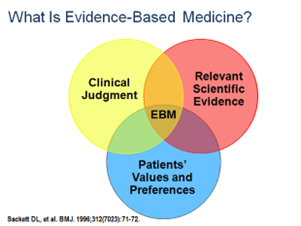
Dr. McCue hints at the challenge of studying cannabis within the existing scientific paradigm in health science. Conceived in the 1960s, Evidence-Based Medicine (EBM) sought to reconcile relevant scientific evidence with practitioners’ professional judgments and patients’ preferences (Sackett et al. 1996). “At its best,” McCue explains, EBM merges scientific findings with clinicians’ best medical judgment based on their experience and what the patient is seeking from their medical care” (McCue 2018, 47).
In practice, EBM relies heavily on “relevant scientific evidence.” Within the paradigm, ‘relevant scientific evidence’ is produced using methods consistent with the paradigm: reproducible randomized controlled studies (RCS) and meta-analyses (MA). Scientific objectivity is valued over judgment and lived experience, composed of “subjective” judgments and individual preferences— they are nothing more than a collection of personal anecdotes.
Cannabis is a medicine with tremendous promise for treating pain, addiction, depression, anxiety, seizures, and many other conditions. Modern science—the natural, social, and health sciences—emphasizes establishing causal relationships using familiar research approaches. It is difficult, maybe even impossible, to force cannabis studies into that paradigm—it is like pounding a round peg into a square hole.
Randomized, Controlled Studies
Randomized controlled studies are the gold standard of modern science. In a classic lab design, consenting subjects are randomly assigned to a “treatment” or “control” group. Subjects are not aware of the group to which they are assigned. Subjects in the treatment group receive a treatment—perhaps an experimental vaccine—and the control group is given a “placebo” indistinguishable from the treatment. After the treatment period, researchers examine whether treated subjects had better outcomes than those in the control group.
Randomized trials provide a high confidence level in the cause-and-effect relationship between the treatment and aggregate outcomes. Randomization into groups ensures that both groups are equal concerning “confounding” factors like socioeconomic status, age, preexisting health conditions, and a load of other variables. If subjects in the treatment group have better outcomes in the aggregate, it must be because of the treatment. The study should be reproducible with similar outcomes.
Conducting randomized controlled studies with cannabis presents severe obstacles.
- Some subjects may “opt out” of studies involving cannabis (e.g., moral objections). If the holdouts have some shared trait(s) we will not know how cannabis influences members of that group. That is why we strive to have diverse subjects in drug trials. We want to ensure that the treatment is the same for different ethnic groups, genders, etc. Our subjects need to be representative of the wider population.
- When the treatment is a pill or injection, it is easy to create a placebo. A pill or injection with inert ingredients does not look different from a therapeutic drug. This is difficult in cannabis studies. Subjects who receive the treatment will likely know to which group they are assigned based on the method of delivery or the presence/absence of cannabis effects.
- Processing cannabis into a pill or injection may fundamentally alter the medicinal value of cannabis.
- Physical responses to cannabis vary wildly from individual to individual, across genders, and within age groups. Studies that fail to distinguish between groups within the treatment condition may report average effects that mask significant influences for some groups within the study.
Measuring Outcomes
A recent Journal of Applied Psychology study concluded that cannabis consumption does not make users more creative (Heng, et al. 2023). Dozens of news outlets trumpeted the findings with glib headlines like “Sorry Stoners, Cannabis Probably Doesn’t Make You as Creative as You Think.” Another scientific milestone! Move on.
What the authors demonstrate is less than the headline pronounces.
An apt headline might be “Cannabis does not make you more creative…with a BRICK!”
Joviality sometimes accompanies cannabis-induced euphoria, though not always, as any seasoned user knows. The authors theorized that more jovial subjects have an increased subjective perception of their creativity and more positive subjective assessments of others’ creativity.
The researchers conducted two controlled experiments with different subjects. Participants in the “treatment group” were under the influence of cannabis. Control group participants had abstained from cannabis use for at least 12 hours and thus were not under the influence. Subjects in both groups had one minute to develop creative uses for a brick (a measure widely used in psychology). Subjects rated their creativity and the creativity of others’ ideas. Objective observers blind to the experimental condition judged the creativity associated with the subjects’ work.
Their results indicate that 1) subjects under the influence of cannabis rated their creativity higher than those not under the influence (MD +0.29, F=4.98, p < .05), a small but statistically significant difference. However, there was no difference between the treatment and control groups when evaluated by the objective observers (MD -0.33, F= 1.12, p= n.s). The authors conclude that “cannabis use induces jovial feelings that facilitate more favorable creativity self-evaluations but has no effect on creativity” (642).
The research design makes this information “relevant” within the paradigm described above. There are treatment and control groups and an outcome to measure. But is that the right outcome to measure? Creativity is a multidimensional concept (Guilford 1967). For many, creativity involves divergent thinking, exploring many possible solutions taking advantage of the mind’s “stream of consciousness.” Does a brick provide the intellectual stimulation that spurs creative thinking? Does innovative thinking happen in the moment, or does it develop over time?
Creativity can be a seed. Half-baked thoughts during a euphoric moment often blossom after the initial “high.” Making the connection between McCue’s lecture and Thomas Kuhn occurred during the evening while I was high. The full exposition of that thought took place over time when I was not high. This “evidence” of creativity is not admissible within the dominant scientific paradigm. It is an anecdote.
Meta-Analyses
Meta-analysis is a “study of studies.” The author collects all of the relevant literature published on a subject—dozens or hundreds of studies—seeking to find common patterns in the findings. Because science is “cumulative,” examining multiple studies should provide insight into the “scientific consensus” around a question.
There are at least two major problems with meta-analyses. One is the definition of “relevant literature.”
Randomized controlled studies generate relevant studies; non-RCS studies are typically excluded. Given the critique above, RCS-based studies may produce unusable results.
Another significant problem is “publication bias.” Scholarly journals typically publish articles with clear findings; there is a bias against publishing “non-findings.” For instance, a study examining the relationship between cannabis and psychosis demonstrating a higher propensity among cannabis users is more likely to be published than a study showing no link. It is no analysts’ fault—journal editors make the initial publication decisions—the meta-analysis systematically excludes non-findings, thus privileging some findings over others.
McCue (2018) deftly describes the potential problem in his critique of Whiting (2015). Their meta-analysis indicated moderate support for cannabis in treating chronic pain and spasticity and borderline evidence for treating “nausea and vomiting due to chemotherapy, weight gain in HIV infection, sleep disorders, and Tourette syndrome.” They began with 23,754 studies on cannabis. After excluding studies that did not adhere to paradigmatic requirements, 79 studies were included in their analysis (0.003% of all studies).
Conclusion
Cannabis is a challenge for evidence-based science. Human cannabis studies are problematic in the randomized controlled experiment paradigm. Meta-analyses focused on low-quality methods that are not necessarily applicable exacerbate the pitfalls of the paradigm. Animal studies provide more hope for the RCS paradigm. However, animal models are a pale substitute for the complexity of the human body and brain. We may need a “new paradigm” suited to the study of medical cannabis.
References
Guilford, J. P. (1967). “Creativity: Yesterday, today, and tomorrow.” The Journal of Creative Behavior, 1(1), 3–14.
Heng, Yu Tse, et al. (2023). “Cannabis use does not increase actual creativity but biases evaluations of creativity.” Journal of applied psychology, 2023, Vol.108 (4), p.635-646.
Kuhn, Thomas S. 1962. The Structure of Scientific Revolutions. Chicago: University of Chicago Press.
McCue, Jack D. 2018. “’Evidence-Based Medicine’ vs. Medical Cannabis.” O’Shaughnessy’s, Summer, 47-48.
Sackett, David L. et al. 1996. “Evidence Based Medicine: What It Is And What It Isn’t: It’s About Integrating Individual Clinical Expertise And The Best External Evidence.” BMJ 312.7023 (1996): 71–72.
Whiting, Penny, et al. 2015. “Cannabinoids for Medical Use A Systematic Review and Meta-analysis.” Journal of the American Medical Association, 313(24): 2456-2473.
Scent Profiles and Cultivars for Symptom Relief
| Scent Profile | ||||
| Fuel | Earth | Fruit | Floral | |
| SYMPTOM | Muscle relaxant Inflammation Insomnia Pain relief | Insomnia Anxiety Nausea Seizure disorder | Anxiety Inflammation Nausea Appetite | Anti-convulsant Inflammation Muscle relaxant Insomnia |
| TERPENES | α-Pinene | Linalool β-Caryophyllene | Limonene | β-Myrcene |
| AROMA | Pine Wood Mountains | Cloves Black Pepper | Oranges Lemons | Hops Lemongrass Thyme |
| EFFECTS | Euphoric | Sedative | Uplifting | Cerebral |
| CULTIVARS | OG Kush Jack Herer | Bubba Kush | Super Lemon Haze | Blue Dream |